
Alcohol and Aging Skin: How to Restore Your Glow After Years of Drinking
Some older adults experience heightened feelings of sadness or anxiety after drinking alcohol, which may be linked to changes in brain chemistry and hormone levels. Even if we’ve noticed changes in our appearance from alcohol, we may be able to reverse the effects by changing our drinking habits. This is significant because it further validates the changes we see occur on the surface in people who regularly consume alcohol.
- Over time, exposure to UV light can damage the skin causing irreversible changes.
- By the time a person uncovers a problem, it may be too late.
- Excessive alcohol consumption affects virtually every part of the human body, but let’s see what organs age prematurely from alcohol.
- Not getting enough sleep affects your skin, ability to concentrate and leaves you more susceptible to illness.
What Your Body Needs as You Age
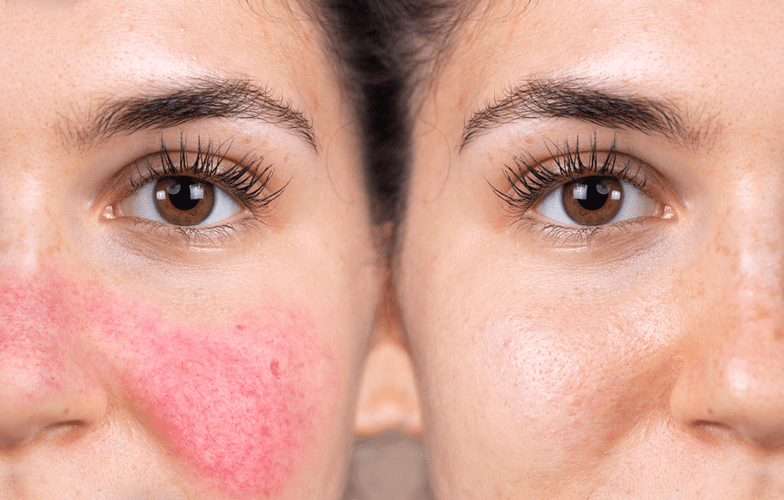
It’s during this stage that the profound and visible early signs of aging often become most apparent on a person’s body. While we might not notice the effect of drinking on our cells, alcohol can speed up our aging process in many other ways. One of the most visible impacts alcohol can have is on our complexion, as drinking excessively is known to cause redness and dry, wrinkly skin. Consuming too many alcoholic beverages can reduce your levels of vitamin A (retinol) and vitamin C. Vitamins produce collagen, an essential component of skin, bones, and muscles. While those dark circles under your eyes, sometimes referred to as allergic shiners, can be caused by a lot of factors (including, obviously, allergies), your after-work wine isn’t helping.
Can You Reverse Alcohol-Related Aging
- With time, this leads to loss of skin tone and a permanent red color.
- This results in damage that ends up hindering the natural repair process of the body.
- Although it is common for a person to lose a few hairs each day, excessive drinking can cause severe hair loss.
- While any amount of alcohol has been found to be harmful for certain markers of aging, long-term, heavy alcohol use and binge drinking are more likely to age you faster than low-to-moderate doses.
- Surprisingly, males also spend a lot of money to look younger than their age, maybe not the same amount as women, but almost as much!
What might have been a tipsy stumble when you were younger, could become a hip-breaking disaster. If you already have a chronic health condition, drinking won’t do you any favors there either. A new advisory from United States Surgeon General Vivek Murthy, M.D., warns about the direct link between alcohol consumption and cancer. That drunk or tipsy feeling should clear up by the next day, maybe leaving you with a hangover. But the consequences of consuming alcohol can extend beyond that.
Research Confirms It: Alcohol Accelerates Cellular Aging
Chronic elevation of stress hormones contributes to inflammation and cellular damage, accelerating aging at a fundamental level. Secondly, alcohol directly harms and overloads various vital organs, especially the liver, pancreas, and brain. This widespread organ damage disrupts the body’s intricate chemical balance and metabolic processes, leading to systemic premature aging. Essentially, alcohol doesn’t just cause you to look older; it accelerates the actual biological aging process from within.
You may notice stronger emotions or bigger mood changes after drinking. does alcohol make you older Read on to learn more about how alcohol use affects you differently as you age and how you can still enjoy a drink or two on occasion without waking up with a nasty hangover. These changes often hint at deeper health issues that go beyond skin deep. Booze also irritates delicate electrical pathways in the heart which are responsible for keeping heartbeat steady and coordinated. The resulting arrhythmias and other conduction disorders are indicative of premature aging.
Although there is no evidence that alcohol causes hair loss, it may contribute to balding. Heavy, chronic alcohol use causes nutritional deficiencies and hormonal imbalances. These deficits can cause your hair to fall out more rapidly than usual.At Alcohol Use Disorder an addiction treatment center, you’ll focus on your health and nutrition. As you nourish yourself, you may notice that your hair fills out again.